
整理react里面那些容易让人混淆的概念 😂
react为什么要引入fiber
在解释为什么之前,先来说一说react16之前组件的更新过程。
1 | class Child extends React.Component { |
上面的例子用react15来运行,child组件没有state与props,但是随着App组件的更新(点击add按钮),child组件也跟着更新了(触发了componentWillReceiveProps、shouldComponentUpdate、componentWillUpdate、render与componentDidUpdate),这显然不合理,万一child组件很大呢,针对这种情况,react16之前可以使用shouldComponentUpdate来阻止组件不必要的更新。
虽然shouldComponentUpdate可以解决这种情况,但是这种现象暴露了react的一个弊端,父组件更新,子组件也会无脑更新,除非调用shouldComponentUpdate,为什么vue没有这种弊端,原因就是vue有响应式系统,所以vue可以很明确的知道哪些依赖需要更新,而不需要重新render整棵树。有些情况可以用shouldComponentUpdate规避掉无用更新,但是react肯定有机会重新render一颗巨大的树。我们知道react组件的更新过程,先调用render,生成新的虚拟dom,然后执行diff算法,比对新旧虚拟dom不一样的地方,最后作用到真实dom上。在这些步骤中,假如组件树很大,diff算法则需要较长时间。javascript是单线程语言,长时间的diff会卡住主线程,这种现象在react16之前是没办法解决的。
为了解决上面的问题,react16引入了fiber,首先说说什么是fiber,fiber是一种新的数据结构,用来描述一个虚拟dom,假如有以下树形结构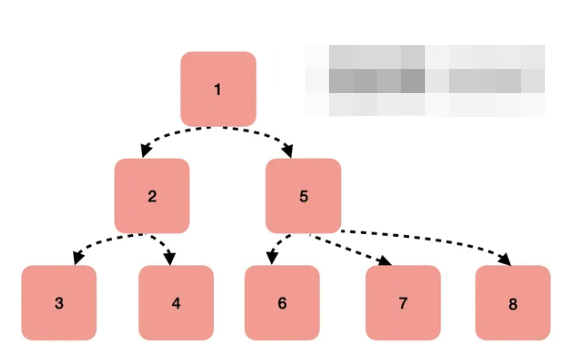
react16之前这么描述
1 | const vnodes = { |
react16之后这么描述
1 | const vnodes = { |
对比同一张图的两种vnodes,很明显,第一个vnodes在diff的过程中是没法暂停的,因为它每个节点只有children,第二个vnodes每个节点的描述都包含自己与其他节点的关系,这样即使diff暂停,下次继续时也能找到未完成的节点。
react16以后引入了调度器的概念,它的作用是给任务分级,简而言之,就是由用户触发的更新优先级是大于组件更新的,假如react正在更新一个大组件,diff算法正在如火如荼的工作,这时用户点击了某个按钮要求显示一个提示,那这个更新的优先级最高,react会暂停大组件的更新(依赖于fiber节点的可暂停结构),先去响应按钮的提示,完了继续大组件的更新,react用这种机制来解决更新大组件主线程没有响应的问题。
引入fiber后所带来的的变化
render阶段的生命周期
上面说组件更新可以被暂停,那会不会出现界面更新一半的情况,这种情况是不会出现的,原因是,react16之后,组件更新被分为render阶段与commit阶段,render阶段包括render函数的执行,diff算法的执行,一旦diff算法执行完毕,组件开始更新真实dom,就进入了commit阶段,render阶段可以被反复执行(可中断,可继续),而commit阶段每次更新只能执行一次,所以不会出现dom渲染一半的情况。
那哪些生命周期属于render阶段,哪些属于commit阶段,首先render函数肯定是在render阶段执行的,因为render函数的作用就是生成虚拟dom,完了才是diff组件以及更新真实dom的过程,所以可以肯定render函数以及它之前的生命周期都属于render阶段。之前说过render阶段的代码是可以被反复执行的,这就带来了一个问题,假如在componentWillReceiveProps、componentWillUpdate这些函数内执行了某些副作用代码,这种生命周期被反复调用的机制就会导致副作用被反复执行,这显然不对,react为了解决这种问题,对render阶段的一些生命周期进行了改造,其实主要采取了两种改造手段:
- 把实例方法改成静态方法,比如把componentWillReceiveProps改成static getDerivedStateFromProps,这样改的目的就是不让访问this,一个纯函数被反复执行其实没什么不好。
- 标记某些方法是不安全的,随着版本的升级,逐步废弃。
庆幸的是,shouldComponentUpdate这个方法逃过一劫,原因可能是这个方法语义太明显了,大概没有什么人在这个方法里面执行副作用代码。
commit阶段的生命周期
上面说render函数以及之前的生命周期都属于render阶段,那commit阶段呢,有人会说componentWillUpdate?很遗憾,这个生命周期也属于render阶段,并且react16以后被打上了不安全的标记,那有什么方法可以知道更新进入了commit阶段,react16新加了getSnapshotBeforeUpdate,别看这个方法的命名也是getxxx之类的风格,它却是一个实例方法,为什么react这次让人大方的访问this,原因在于更新已经进入commit阶段,即使有副作用也只执行一次没什么不好。
getSnapshotBeforeUpdate这个方法会在diff结束(是结束不是中断),已经知道哪些dom需要更新,但是还没有被更新的时候调用,所以它可以稳定的获取更新前的dom状态。
捕获error
react16以后新增了一个叫getDerivedStateFromError的生命周期,从这个函数的名字来看很像getDerivedStateFromProps,没错它也是一个静态方法,就是不让你访问this。react16之前是怎么捕获错误呢,有一个叫componentDidCatch的方法,这个方法在react16以后也一直保留,为什么出现既生瑜何生亮的场面,原因在于这俩方法的职责不同,举个例子来说明。
1 | class Child extends React.Component { |
我们在子组件的render函数里面抛一个错,结果发现只有getDerivedStateFromError响应了,我们换个例子:
1 | class ErrorBoundary extends React.Component { |
在子组件的componentDidUpdate(commit阶段)里面抛个错,结果getDerivedStateFromError与componentDidCatch都响应了。
对比这两个例子你会发现,react把捕获错误这个行为分为有副作用的捕获与无副作用的捕获,像在render函数里面发生的错误,render函数处于render阶段,react肯定不希望开发者访问this,所以理所当然的只有getDerivedStateFromError响应,而在componentDidUpdate里面抛的错,由于已经处于commit阶段,开发者想干什么react不会去干预,这时的捕获错误的行为可能是纯的也可能是不纯的,所以两个函数都会响应。
Suspense
hooks
这里不一一介绍每个hook,只是说明为什么会推出hooks,以及render与commit阶段都有哪些hook。
为什么推出hooks
- 首先react16以后由于引入了可中断更新,在render阶段访问this将变得不安全,除了上面的两种改造外,完全杜绝this也是一种方案,所以react更推崇使用函数式组件。
- react hooks在逻辑复用方面是一把利器,它可能很容易的把逻辑与渲染分开,为什么要分开,简而言之,渲染(ui)是很难抽象与复用的,而逻辑恰恰相反。
render阶段的hooks
useState、useMemo、useCallback、useRef、useContext、useReducer、useEffect、useLayoutEffect
其中useEffect、useLayoutEffect这俩允许执行副作用的hook也是在render阶段执行的。你可能会疑惑,render阶段不是不让执行副作用操作嘛,这俩虽然在render阶段执行,但是它们的回调函数不在render阶段执行。
commit阶段的hooks
useEffect与useLayoutEffect的回调函数。
先说useLayoutEffect。这个hook会在dom更新完毕,但是浏览器还没有来得及绘制之前同步执行。这句话是什么意思呢,我们知道javascript只是用来操作dom,像setState之类操作或者我们手动操作dom只是改变了内存里一颗dom树上的某些节点,真正把dom树绘制成屏幕上形形色色的画面是浏览器完成的,假设我们浏览器一秒绘制60帧,那绘制一帧的时间就是16ms,而javascript是单线程语言,执行js代码与ui绘制是互斥的,所以如果我们在16ms内用10ms的时间来更新dom树,那么还剩6ms用来执行useLayoutEffect与浏览器绘制界面。
所以这个hook内部适合执行一些短小精悍的代码,假如执行时间过长,浏览器没有足够的时间在一帧内完成界面绘制,就会造成卡顿。
对比介绍类组件时也有个在commit阶段执行的函数,getSnapshotBeforeUpdate,useLayoutEffect与getSnapshotBeforeUpdate的执行时机却有细微的差别,前者是在真实dom更新完毕浏览器还未绘制之前触发,这时拿到的是更新后的dom,后者是在真实dom还未更新即将更新时触发,这时拿到的是更新前的dom。
最后说一下useEffect,这个hook的回调函数是在commit阶段执行完毕异步执行的。这时dom已经更新完毕并且浏览器也完成了绘制,因为是异步执行,所以不像useLayoutEffect那么小心翼翼的。